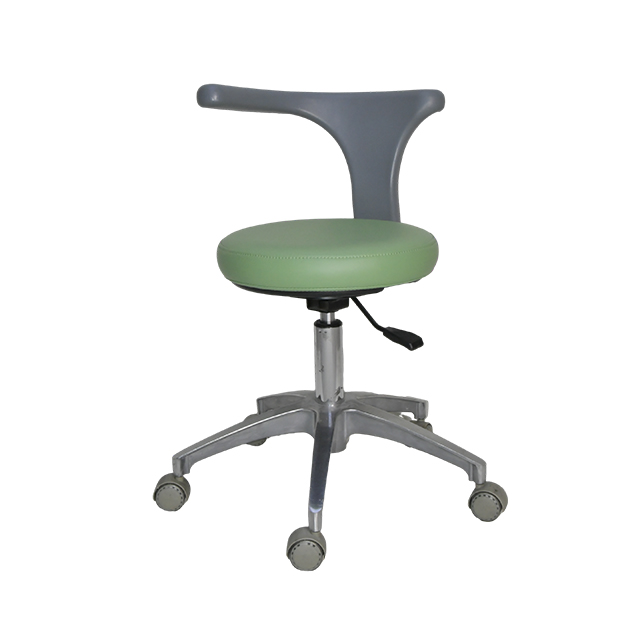
Dental professionals spend many hours each day performing procedures that require precision, concentration, and consistent posture. While treatment equipment often receives the most attention, seating solutions also play an important role in creating an efficient clinical environment.
A properly selected dental stool can influence comfort, movement flexibility, and overall workflow. For dentists and clinic managers evaluating equipment investments, understanding the practical value of ergonomic seating helps support better purchasing decisions.
Modern dental workplaces are designed around efficiency, operator health, and patient care quality. Roson recognizes that every component within a dental environment contributes to a smoother working experience, including seating systems that support daily clinical demands.
Why a Dental Stool Matters for Daily Clinical Efficiency?
A dental stool is not simply a place to sit during procedures. It is an important part of the dentist’s working position because it affects how easily professionals can access instruments, maintain visibility, and move around the treatment area.
During long procedures, dentists often remain focused on small operational details for extended periods. A suitable seating solution can help create a more stable working position, allowing practitioners to concentrate on patient treatment instead of frequently adjusting their posture.
Ergonomic considerations are especially important in modern dental clinics. The relationship between the dentist, patient chair, instrument delivery system, and surrounding equipment determines how efficiently the workspace functions. Seating should support this relationship rather than create unnecessary limitations.
When clinics evaluate equipment upgrades, they should consider how often the seating solution will be used and how it fits into existing workflows. A reliable option should match the daily requirements of dental professionals while maintaining practical usability over time.
How a Dental Stool Chair Supports Better Workspace Planning?
A dental stool chair is designed to become part of an integrated clinical workspace rather than operate as an isolated piece of furniture. Its role is connected to operator positioning, accessibility, and the overall organization of the treatment area.
For dental clinics planning new facilities or improving existing rooms, seating selection should be included in the early design process. The right choice helps create a balanced environment where dentists can work efficiently while maintaining a professional and organized appearance.
Workspace planning also involves considering different treatment scenarios. General dentistry, restorative procedures, and specialized treatments may require different movement patterns. A flexible seating solution allows professionals to adapt their working position according to clinical needs.
Roson focuses on providing dental equipment solutions that align with professional requirements and manufacturing quality expectations. By considering usability and workplace integration, dental suppliers and clinics can make more informed decisions when selecting supporting equipment.
Key Factors Dentists Should Consider Before Investing
Before purchasing a dental stool chair, clinics should evaluate several practical factors. The first consideration is whether the seating solution matches the working habits of the dental team. Different professionals may have different preferences regarding height, positioning, and mobility.
Another important factor is manufacturing reliability. Dental equipment is used frequently in professional environments, meaning durability and consistent performance are essential. Buyers should pay attention to quality management practices, production standards, and whether manufacturers maintain strict control throughout the manufacturing process.
Quality-focused manufacturers often emphasize processes such as component management and production consistency. These practices help ensure that equipment meets professional expectations and supports long-term clinic operations.
The design of the clinical environment should also be considered. A seating solution should work naturally with dental units, treatment chairs, and other equipment. When all elements are coordinated, the result is a workspace that allows smoother movement and better organization.
For distributors and procurement teams, understanding these factors can help them recommend suitable solutions to dental clinics. Equipment decisions are not only about product features but also about how effectively the product contributes to daily practice performance.
The Role of Ergonomics in Dental Equipment Selection
Ergonomics has become an increasingly important topic in healthcare equipment planning. Dental professionals often perform repetitive movements and maintain focused positions, making workspace design a significant consideration.
A well-designed dental stool supports better positioning habits and helps create a more comfortable working environment. While seating alone cannot solve every workplace challenge, it is one of the many elements that contribute to a complete ergonomic strategy.
A dental stool should also complement the broader dental system. The connection between seating, patient positioning, instrument access, and workflow organization determines whether the clinic can operate efficiently.
Manufacturers with experience in dental solutions understand that every component must work together. Roson applies a professional approach to dental equipment development, considering how individual products contribute to complete treatment environments.
Making a Smart Investment Decision
Determining whether a dental stool is worth the investment depends on the long-term value it provides to a dental practice. Since dentists use their working equipment every day, selecting appropriate seating can influence operational comfort and workplace efficiency.
Clinics should evaluate products based on practical needs rather than focusing only on initial purchasing costs. Factors such as construction quality, compatibility with the treatment environment, and manufacturer reliability are important parts of the decision-making process.
A dental stool chair represents an investment in the working conditions of dental professionals. When selected carefully, it can become a valuable part of a modern clinic setup and support consistent performance over many years.
For dental equipment buyers, understanding the relationship between ergonomic design and clinical workflow leads to more effective purchasing choices. A thoughtful approach ensures that each investment contributes to a better-functioning dental environment.
Conclusion
Dental seating plays a meaningful role in modern dental practice design. Although it may seem like a secondary consideration compared with larger treatment equipment, it directly affects how professionals interact with their workspace.
Choosing the right seating solution requires attention to ergonomics, manufacturing quality, and integration with existing clinic systems. Dental professionals and suppliers who evaluate these factors can create more efficient and comfortable treatment environments.
As dental clinics continue to prioritize workflow improvement and professional comfort, investing in suitable equipment components becomes increasingly valuable. Roson continues to support dental industry needs by focusing on practical solutions that help create effective clinical spaces.
