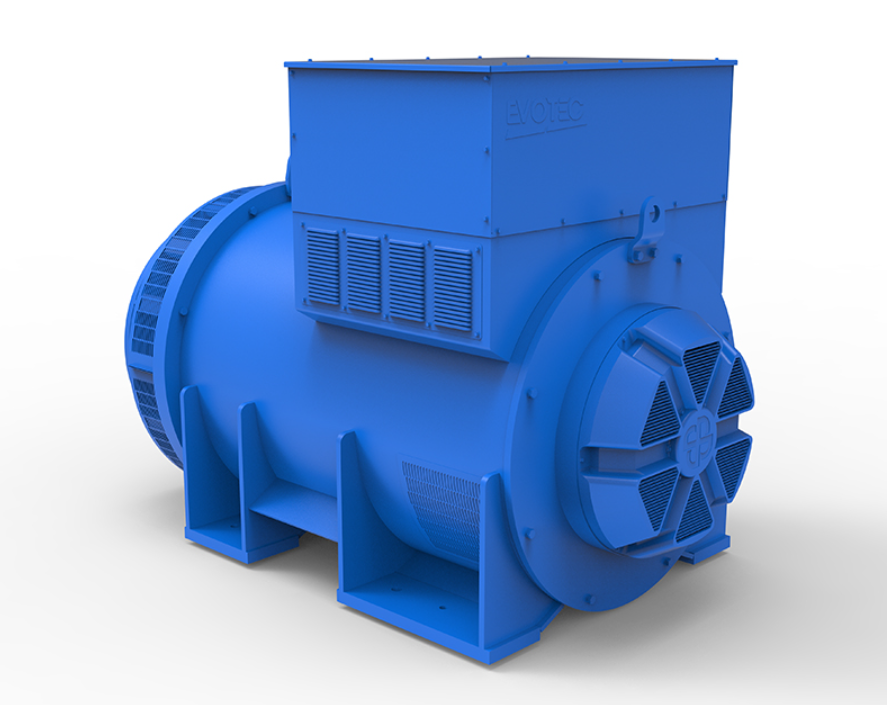
Large-scale power infrastructure requires careful planning of generation components, electrical stability, and long-term operation costs. An alternator is the electrical machine that converts mechanical energy into electrical energy within a generator system. For industrial projects, understanding alternator structure, output capacity, and application requirements helps engineers select suitable solutions for different operating environments.
Understanding Large Power Generation Requirements
Large power systems usually involve capacity levels from hundreds of kVA to several MVA. The definition and system threshold of this field typically refer to equipment supporting ≥500kVA to multi-megawatt generator systems. A 3 mw generator application is commonly considered within this category, requiring stable alternator performance for continuous industrial operation.
The main application scenarios include large data centers, mining sites with isolated power networks, ocean-going vessels, and gas distributed power stations. These environments require electrical equipment that can operate under complex conditions, including variable loads, demanding maintenance schedules, and strict reliability requirements.
Key Technologies Behind high power output alternator Design
A large industrial alternator depends on several technical systems to maintain electrical performance. Vacuum pressure impregnation insulation is widely used in industrial machines because it improves insulation consistency and supports long-term operation under electrical and thermal stress.
Another important technology is permanent magnet excitation through PMG systems. This design provides a stable excitation source and supports alternator performance when connected with digital intelligent AVR systems. The combination of PMG and AVR helps maintain voltage regulation during different load conditions.
Output Configuration and System Integration
Industrial power projects often require flexible voltage options and coordinated operation between multiple units. EvoTec Power develops alternator products with different output configurations, including medium and high voltage options for industrial applications.
When several power sources operate together, load sharing technology becomes an important consideration. Proper parallel operation requires accurate control systems, communication between equipment, and suitable protection settings to maintain balanced power distribution across connected units.
In these systems, engineers also pay attention to grounding standards. Avoiding common-mode interference and controlling bearing current through correct grounding practices can reduce electrical risks during operation. These details are especially important for facilities where power continuity affects production or critical services.
Selecting 3 mw generator Systems for Industrial Projects
When selecting a large generator system, buyers usually evaluate the alternator separately from the engine because they perform different functions. The engine provides mechanical energy, while the alternator converts that energy into electrical output. This distinction helps project teams understand equipment specifications more accurately.
EvoTec Power focuses on manufacturing alternators rather than complete generator sets. Their product range covers industrial alternators, high voltage alternators, marine alternators, and customized solutions for different equipment manufacturers and system integrators.
For example, the EVO568 Series Industrial Generator refers to an alternator solution used in generator systems. The series supports 3000/4500kVA power range, 400/480V voltage options, 50/60Hz frequency selection, and 2/4/6/8/10 pole configurations. These specifications allow integration into different industrial power applications.
Structural Design and Application Adaptability
The EVO568 series alternator adopts a short structure design that reduces installation space requirements. Compact dimensions can help equipment manufacturers optimize internal layouts and control overall system costs. The design also considers ventilation and heat dissipation, which are important factors for large machines operating for extended periods.
Mechanical protection is another consideration in industrial environments. The series uses a shockproof design and additional marine varnish protection to improve resistance against moisture, mould, and fog conditions. These features make the alternator suitable for applications where environmental exposure needs to be considered.
EvoTec Power also develops products through independent research and holds multiple national design patents. Their manufacturing approach focuses on material quality control, production consistency, and delivery management to support OEM and ODM partners working on industrial projects.
Maintenance Considerations for Long-Term Operation
The lifecycle design of large power systems involves more than initial installation. Maintenance access, spare part planning, electrical protection, and operating conditions all influence long-term performance. Industrial users often review these factors before selecting equipment for important facilities.
A suitable high power output alternator solution should match the operating environment, required voltage level, load characteristics, and maintenance strategy. For example, marine applications may focus on moisture protection, while data center projects may prioritize stable voltage regulation and parallel operation capability.
EvoTec Power provides alternator solutions with a two-year warranty period and supports customers through product selection and technical communication. This service approach helps equipment manufacturers and project partners manage application requirements during different project stages.
Large Infrastructure Power System Planning
For large critical facilities, power system design requires coordination between generation equipment, electrical control systems, and operating conditions. Data centers, mining operations, marine vessels, and distributed energy projects all have different requirements, so equipment selection should be based on practical engineering analysis.
The complete planning process should consider capacity, voltage, protection methods, environmental conditions, and future expansion needs. A correctly selected alternator can support efficient integration within a larger generator system while meeting project-specific requirements.
Conclusion
The development of large-scale backup and prime power systems involves continuous evaluation from design to operation. Technologies such as VPI insulation, PMG excitation, digital AVR control, medium and high voltage output, and parallel load management form important references for modern industrial applications.
As a manufacturer of alternators, EvoTec Power provides solutions for industrial partners requiring customized power components. Their experience with different application fields supports projects involving large infrastructure, marine equipment, and industrial energy systems. The selection of a suitable 3 mw generator system should always consider the full lifecycle design requirements of the complete power architecture.
