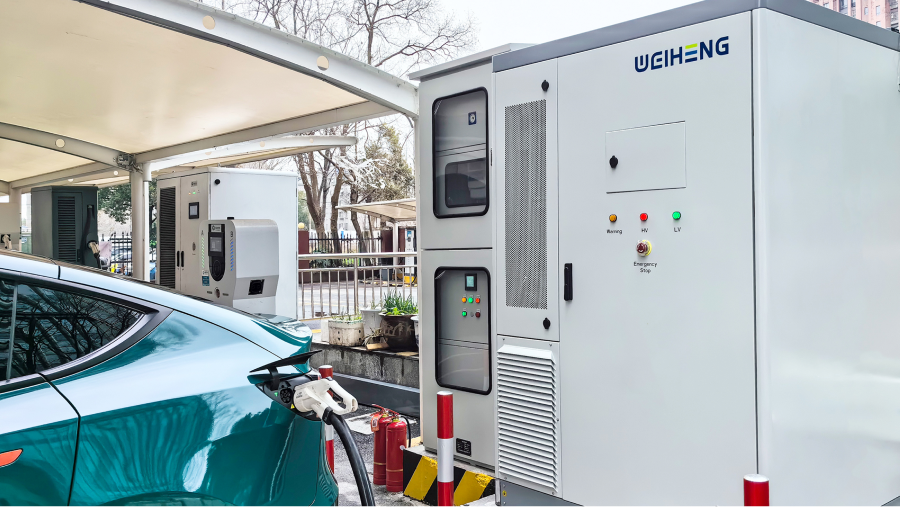
Selecting the right commercial battery storage systems requires more than comparing basic specifications. For energy-intensive operations, purchasing decisions are closely tied to long-term cost control, system reliability, and integration with existing infrastructure. WHES develops commercial battery storage solutions that are designed to address these priorities, helping organizations evaluate options based on real operational needs rather than isolated technical metrics.
Evaluating Performance Beyond Nameplate Ratings
Power and capacity figures are often the first parameters considered, but they do not fully reflect how commercial battery storage systems will perform in practice. Factors such as round-trip efficiency, response time, and consistency under variable loads play a significant role in daily operation. A well-designed commercial battery storage solution should maintain stable output across different demand scenarios, ensuring that stored energy can be dispatched effectively when required.
Integration with Existing Energy Infrastructure
Compatibility with on-site systems is another key consideration when selecting commercial battery storage systems. This includes how the system interacts with solar generation, grid supply, and facility load profiles. A poorly integrated commercial battery storage setup can lead to inefficiencies or operational constraints. WHES addresses this by offering flexible system architectures that support seamless integration, allowing storage assets to align with broader energy strategies without requiring extensive redesign.
WHES Approach to Scalable and Reliable Storage Solutions
WHES focuses on delivering commercial battery storage systems that balance scalability with operational stability. Its solutions are designed with modular configurations, enabling capacity expansion as energy demands evolve. In real-world applications, this approach allows commercial battery storage deployments to adapt over time while maintaining performance consistency. By combining system flexibility with intelligent control capabilities, WHES supports more informed purchasing decisions and long-term energy management outcomes.
