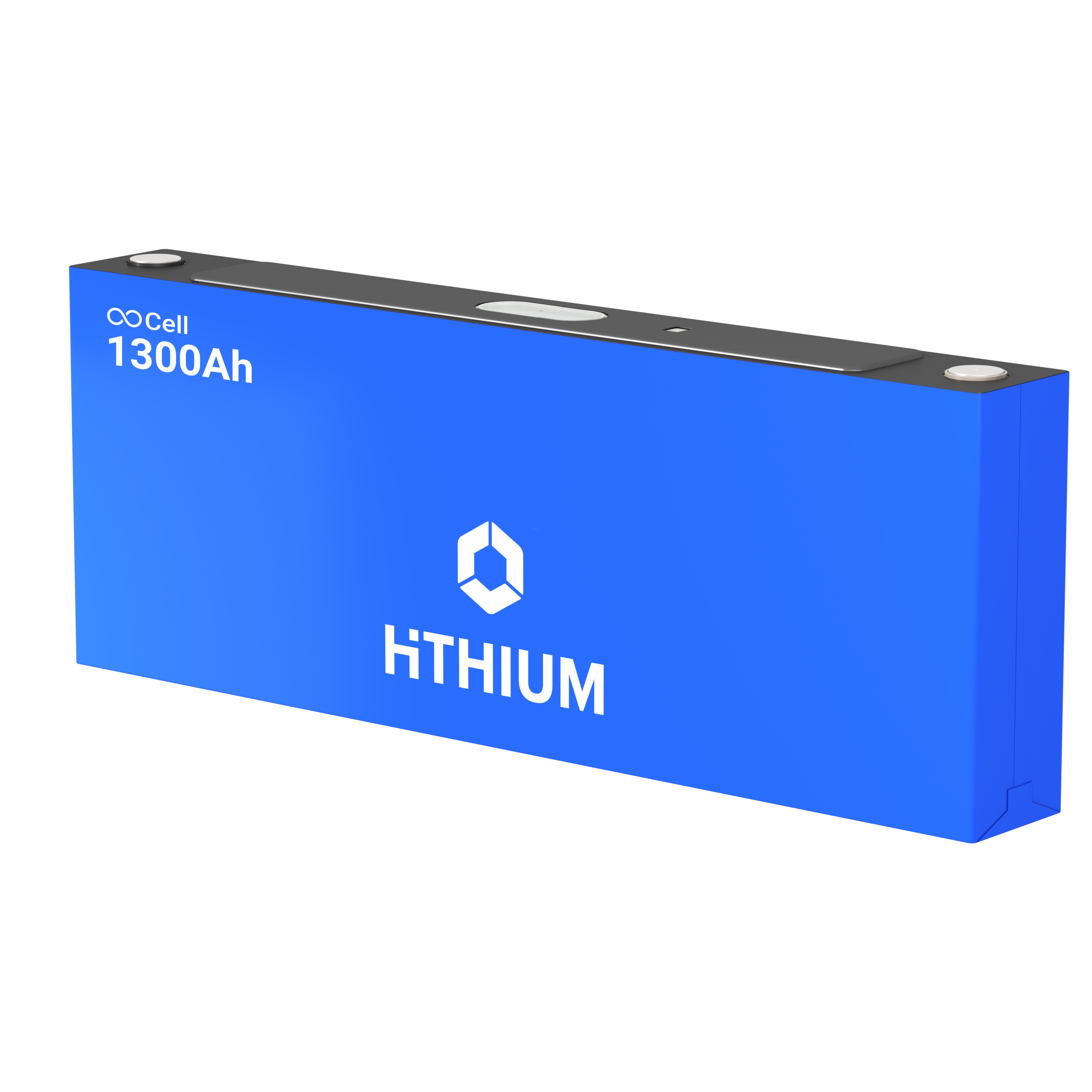
As energy storage systems scale to meet increasingly complex power demands, the performance of individual battery cells has become a decisive factor in overall system efficiency. In large-scale deployments, even incremental improvements at the cell level can translate into significant gains in operational stability and cost-effectiveness. Within this context, HiTHIUM battery solutions and advanced HiTHIUM cells are being engineered to deliver higher energy throughput, longer service life, and improved thermal control. Companies such as HiTHIUM are focusing on optimizing cell design to support long-duration energy storage and consistent performance across diverse applications.
Cell Design and Performance Optimization
High-performance HiTHIUM cells are characterized by their ability to deliver large capacity while maintaining structural integrity and operational consistency. For example, a 1300Ah-class cell with dimensions of approximately 580.2 × 75.2 × 234.3 mm reflects a design approach that balances energy density with manufacturability and system integration requirements.
Such cells are engineered to achieve over 10,000 charge-discharge cycles, making them suitable for long-duration applications such as 8-hour energy storage. This level of cycling capability ensures that HiTHIUM battery systems can operate reliably over extended periods without significant degradation, which is critical for projects requiring predictable long-term output.
From a system perspective, higher-capacity cells reduce the number of individual units required, simplifying module design and lowering integration complexity. HiTHIUM applies these principles to develop HiTHIUM cells that align with the operational needs of large-scale energy storage systems, where efficiency is closely linked to both performance consistency and system architecture.
Thermal Management and Lifecycle Stability
In addition to capacity and cycle life, thermal performance is a key determinant of energy storage efficiency. Advanced HiTHIUM battery designs incorporate both material and structural improvements to limit temperature rise during operation. With temperature increases controlled to within 5°C, these cells reduce thermal stress on internal components, thereby enhancing safety and extending service life.
Effective thermal management also contributes to maintaining stable electrochemical reactions within the cell. By minimizing heat-related degradation, HiTHIUM cells are able to sustain consistent performance across varying load conditions. This is particularly important in applications where batteries are subjected to frequent cycling or fluctuating power demands.
Furthermore, a designed lifespan exceeding 25 years provides a strong foundation for long-term investment planning. For operators and developers, the durability of HiTHIUM battery systems reduces the need for frequent replacements and supports more accurate lifecycle cost projections. HiTHIUM integrates these thermal and lifecycle considerations into its cell development strategy, ensuring that performance improvements are aligned with practical deployment requirements.
Enabling Long-Term Efficiency in Energy Storage Systems
The advancement of HiTHIUM cells demonstrates how high-performance battery design can directly enhance energy storage efficiency. Through improvements in capacity, cycle life, and thermal management, HiTHIUM battery solutions are enabling more reliable and cost-effective system operation.
As companies like HiTHIUM continue to refine these technologies, the role of advanced battery cells in supporting long-duration and large-scale energy storage will become increasingly significant. These developments provide a solid technical basis for improving efficiency while ensuring the long-term stability of energy storage investments.
