Distinguishing between various human resource technology platforms often presents a challenge for administrators evaluating their digital infrastructure. While industry terminology frequently overlaps, specific functional differences exist between an HRIS, an HCM, and an HRMS system. Identifying the correct solution depends on whether an organization primarily requires database management, talent lifecycle automation, or a holistic workforce administration suite. Clarifying these definitions prevents misalignment during the procurement process and ensures that internal teams secure a platform that matches their actual operational requirements.
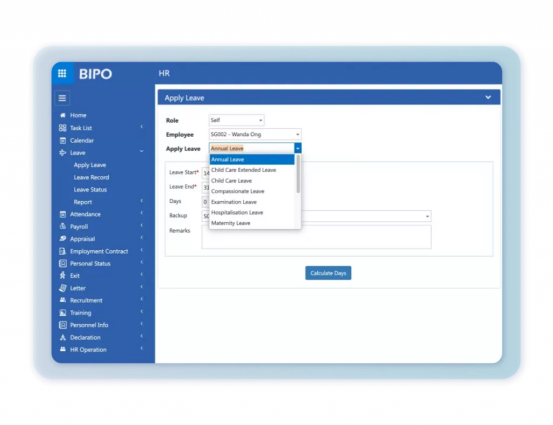
To address these diverse needs, BIPO HR offers a robust HRMS system designed for international scalability. Established in 2010, the company provides a comprehensive suite of cloud-based solutions across 170 countries, helping corporate HR, HRM, and HRD professionals automate payroll and manage workforce data efficiently. For organizations assessing their technology needs, they can contact the BIPO team to request a consultation and discuss how these professional tools support complex global human resource workflows.
Evaluating HRIS Functionality
An HRIS generally focuses on the storage and management of employee data. It functions primarily as a centralized repository for personal information, benefits administration, and essential human resource reporting. Companies gravitate toward this type of software when they need to organize personnel records and improve data accessibility across their various departments. While effective for record-keeping, it often lacks the deeper performance management features found in more comprehensive platforms.
Assessing the Scope of HCM
Human Capital Management platforms expand upon basic database functions by incorporating modules for talent acquisition, performance reviews, and succession planning. They prioritize the entire employee lifecycle, moving beyond simple administration to support long-term development. By integrating these processes, organizations gain a broader perspective on their human capital. This approach helps managers align individual performance metrics with long-term company objectives, ensuring that talent management remains a consistent and strategic activity.
Identifying the Role of the HRMS System
An HRMS system serves as the most inclusive category, combining the record-keeping of an HRIS with the talent management capabilities of an HCM, while often adding advanced payroll and time-tracking features. Because it encompasses administrative and operational functions, it provides a single interface for managing the complete workforce experience. Teams that require a centralized command center to oversee payroll calculations, leave management, and complex compliance reporting find this unified approach provides significant operational clarity and consistency.
In conclusion, evaluating these systems requires a clear view of current administrative needs and future growth goals. By focusing on the functional scope required for payroll, talent management, or basic record storage, organizations can deploy technology that enhances productivity without unnecessary complexity. Consistent evaluation ensures that the infrastructure remains aligned with the evolving demands of a professional workforce.
