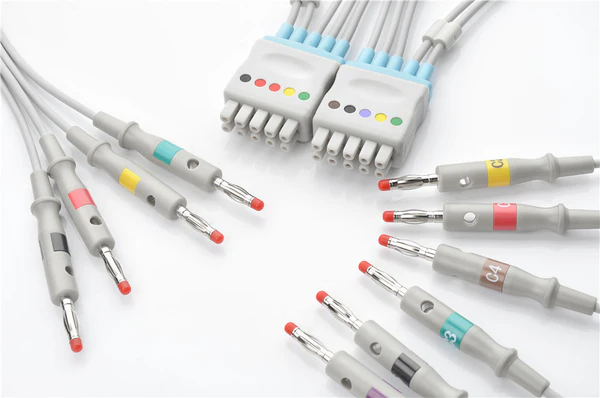
In the world of medical technology, stability and accuracy are essential. For many devices, especially those that rely on sensors for medical applications, the connection between cables and equipment plays a critical role in performance. Connector cycles refer to the number of times a cable can be plugged and unplugged before the connection’s integrity begins to degrade. In settings where patient monitoring accessories are frequently connected and disconnected, understanding connector cycle performance is key to ensuring ongoing reliability.
Why Connector Cycles Matter in Medical Settings
Medical devices often operate in environments where consistent performance is needed. Sensors for medical applications, such as temperature probes, ECG leads, and respiration monitors, depend on high-quality cables that maintain signal integrity over time. When connectors wear out due to many cycles of use, signal quality can be compromised. Poor signal transmission may lead to inaccurate readings or even device errors, affecting clinical assessment and workflow.
For patient monitoring accessories, repeated attachment and detachment are common during patient transfers, cleaning, or equipment updates. Each connection cycle places physical stress on the contact points inside connectors. Over time, microscopic corrosion, mechanical deformation, or debris buildup can occur. This degradation may not be visible externally but can affect electrical conductivity and the stability of the data communicated from a patient to a monitoring system.
Best Practices for Maintaining Cable Reliability
To address these challenges, healthcare professionals and equipment managers should evaluate the expected connector cycle life when selecting cables and connectors. Choosing products designed to withstand frequent use helps maintain the quality of sensors for medical applications and prolongs the usability of patient monitoring accessories. Routine inspection of connectors for signs of wear or damage can also prevent issues before they impact device performance.
Proper handling techniques reduce unnecessary wear. Avoid pulling on cables to disconnect, and ensure that connectors are aligned correctly before engaging. Training staff on proper practices reinforces the longevity of components in busy clinical environments.
Conclusion
Connector cycles have a measurable effect on the reliability of cables used in medical equipment. By focusing on durable connectors and mindful handling practices, healthcare facilities can support consistent performance of sensors for medical applications and patient monitoring accessories. Integrating high-quality components, such as those available through Unimed, into medical systems contributes to dependable clinical operations and accurate patient data.
