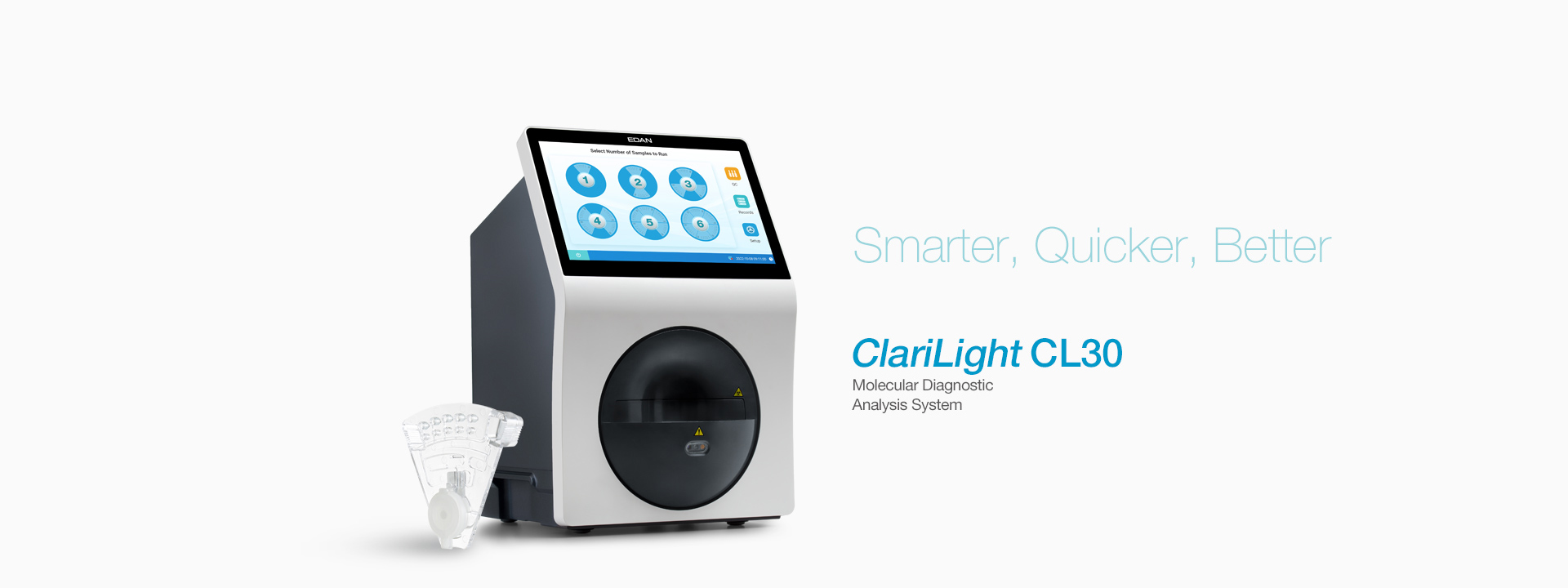
In today’s healthcare landscape, molecular diagnostic testing has become essential to patient care and infectious disease management. Hospitals are increasingly relying on advanced platforms that streamline clinical workflows and deliver timely, accurate results. Among these innovations, the EDAN molecular diagnostic system such as the EDAN CL30 stands out for its thoughtful design aimed at hospital laboratories seeking dependable performance.
Why Molecular Diagnostic Testing Matters in Hospitals
Hospital laboratories play a crucial role in identifying pathogens, monitoring disease progression, and supporting therapeutic decisions. Molecular diagnostic testing uses highly specific amplification technologies to detect genetic material from viruses, bacteria, or other organisms. These methods bring enhanced sensitivity and precision compared with traditional techniques, enabling clinicians to make informed decisions faster. Faster results support infection control programs and can reduce the length of hospital stays, an important operational benefit for healthcare providers facing high patient volumes.
Features of Fully Automated Molecular Diagnostic Systems
Fully automated molecular diagnostic systems are reshaping laboratory workflows by simplifying complex processes. Automation can reduce manual intervention, minimize human error, and increase throughput as clinical demand grows. These systems often integrate sample preparation with amplification and detection in one platform, cutting down turnaround times and helping laboratories manage testing surges during seasonal peaks or outbreaks.
One such solution is the EDAN CL30, designed to support hospital laboratories with an efficient and intuitive interface. The system features a large color touch screen for easy operation, a multi-channel design for higher sample processing, and an integrated barcode scanner to speed data entry while reducing errors. The CL30 transmits results directly to laboratory information systems, supporting streamlined workflow integration with hospital networks. Its use of single-use test cartridges helps prevent contamination and simplifies handling. The device can produce results in as little as 15 minutes, a significant advantage for timely clinical decisions.
Conclusion
The adoption of fully automated molecular diagnostic systems like the EDAN CL30 reflects a broader shift in hospitals toward faster, more reliable molecular diagnostic testing. By enhancing efficiency and delivering rapid, dependable results, these systems contribute to improved patient care and optimized laboratory performance. Integrating solutions such as the EDAN CL30 helps hospitals meet rising diagnostic demands and supports better outcomes across clinical settings.
